Category

Magazine

Living & decoration, 9 creative ideas for beautiful room dividers

Living & decoration

By Magazine

9 Creative Ideas for Beautiful Room Dividers

Published in Living & Decoration

Creating separate living zones within a home is one of the most effective ways to make large spaces feel comfortable and functional. In this feature, Living & Decoration presents nine creative room divider ideas that combine practicality with visual appeal.

The publication highlights a variety of approaches, including shelving units, plants and movable furniture. Among the featured solutions is Facet by Bloomming, selected as one of the magazine’s recommended room divider concepts.

Facet by Bloomming

Listed as idea number three in the feature, Facet is presented as a ceiling-mounted room divider that combines functionality with a sculptural appearance.

According to the magazine, the individually adjustable elements create refined effects of light and shadow while allowing users to configure the divider according to the desired level of openness and privacy.

Unlike traditional room dividers, Facet does not simply block a space. By rotating the individual modules, the pattern can be opened or closed in specific areas, allowing light to pass through while subtly defining separate zones within an interior.

The publication describes Facet as a room divider that transforms space through its interaction with light, making it suitable for both residential and commercial environments.

Room Division Without Walls

The article emphasises that room dividers do not need to be permanent constructions. Shelving units, movable furniture, plants and decorative objects can all be used to create visual separation while maintaining an open and airy atmosphere.

The magazine concludes that elements such as shelving, wall features and floor-standing objects can help define different functions within a room while preserving a sense of spaciousness.

Featured Product

Product: Facet
Company: Bloomming
Type: Hanging room divider
Installation: Ceiling mounted
Features: Individually rotatable modules, adjustable transparency, dynamic light and shadow effects
Application: Residential and commercial interiors

Original Caption

“Ceiling-mounted model. The individually adjustable elements of Facet play with light and shadow. Configurable as desired.”

Publication Details

Publication: Living & Decoration
Feature: 9 Creative Ideas for Beautiful Room Dividers
Featured product: Facet
Company: Bloomming
Topics: Room dividers, interior design, light and shadow, space planning, contemporary interiors

Echos Coiffure

By Magazine

Echos Coiffure – Facet by Bloomming

Belgian Hairdressing Magazine Showcases Facet in a Contemporary Salon Interior

Published in Echos Coiffure, November–December 2010

Belgian professional hairdressing magazine Echos Coiffure featured Facet, the modular room divider designed by Mireille Meijs and Bas van Leeuwen for Bloomming, in a report about the renovation of M&Team Hairdressers in Wuustwezel, Belgium.

The article focused on the salon’s transformation into a more efficient, organised and calming environment. Within the redesigned interior, Facet was selected as a distinctive architectural element, separating the washing area from the styling space while maintaining openness and visual connection throughout the salon.

Facet

Facet is a modular room divider composed of individually rotatable geometric elements.

Each facet-shaped module can be adjusted independently, allowing the transparency of the divider to be customised across its surface. This creates an ever-changing interplay of light, privacy and pattern, giving the installation both a functional and sculptural presence.

The design combines spatial separation with visual openness, making it suitable for interiors where privacy is desired without sacrificing light or a sense of spaciousness.

Designed for Flexible Interiors

In the salon featured by Echos Coiffure, Facet was used to define different functional zones while preserving the bright, minimalist character of the interior.

The article notes that the individual polyester modules can be rotated independently, allowing the owner to transform the appearance of the divider according to inspiration and the desired level of openness. This flexibility makes Facet particularly suitable for commercial environments where interior layouts and visual experiences play an important role.

A Focal Point in a Minimalist Space

The renovated salon was designed around simplicity, efficiency and customer comfort.

Against a backdrop of white furniture and clean architectural lines, Facet introduced texture, depth and visual interest. Rather than acting as a conventional partition, the divider became a focal point within the space, demonstrating how functional elements can also contribute to the identity of an interior.

Product Information

Product: Facet
Designers: Mireille Meijs & Bas van Leeuwen
Brand: Bloomming
Category: Modular Room Divider
Material: High-quality synthetic material with stainless steel suspension system
Feature: Individually rotatable modules for adjustable transparency and privacy

Design Beyond Residential Spaces

The feature in Echos Coiffure illustrates Facet’s versatility beyond residential interiors.

Its ability to divide spaces without blocking light has made it a popular choice for hospitality, retail, office and wellness environments. The project demonstrates how a room divider can contribute not only to functionality but also to the overall atmosphere and visual identity of a commercial interior.

Publication Details

Publication: Echos Coiffure
Country: Belgium
Issue: November–December 2010
Article: Le temps, c’est du luxe
Featured Product: Facet
Designers: Mireille Meijs & Bas van Leeuwen
Brand: Bloomming
Project Location: M&Team Hairdressers, Wuustwezel, Belgium


Original publication summary

‘In a feature about the renovation of M&Team Hairdressers, Echos Coiffure highlighted Facet by Bloomming as a distinctive white room divider separating the shampoo area from the styling space. The article noted that the individual modules can be adjusted independently, allowing the partition to be transformed according to the desired level of openness.’

Trend

By Magazine

Clock Delay Featured in Trend Magazine Russia

Published in Trend Magazine, September 2008

Dutch designer Bas van Leeuwen and his sculptural clock Clock Delay were featured in the September 2008 edition of the Russian lifestyle magazine Trend.

The article presented Clock Delay as a response to modern society’s increasingly complicated relationship with time and technology. Rather than functioning as a conventional clock, the design transforms the measurement of time into a visible mechanical process.

Delayed Time

The Russian title of the article translates approximately as “Forced Delay” or “Delayed Time.”

According to the publication, clocks have long ceased to be simple instruments for measuring time. This observation inspired Bas van Leeuwen to create a clock that encourages people to slow down and engage with the mechanics behind the passage of time.

The article describes Clock Delay as a challenge to contemporary “single-use culture”—a world filled with disposable products that require little attention and provide little understanding of how they work.

Revealing the Mechanism

Unlike traditional clocks that conceal their mechanics behind a dial, Clock Delay exposes the entire process of timekeeping.

The design consists of three rotating wheels representing:

  • Hours
  • Minutes
  • Seconds

Rather than reading the time from hands or a digital display, users observe where the three indicators align. The clock turns the act of telling time into a small puzzle that requires attention and participation.

As the article explains, learning to read the time on Clock Delay requires temporarily stepping away from the automated routines of everyday life.

A Tribute to Technology

The publication notes that many people rarely repair or examine the products they use every day. As a result, appreciation for technology and engineering is gradually disappearing.

Clock Delay was designed to counter this trend by celebrating the beauty of mechanics. Its exposed gears, rotating number wheels and visible construction encourage users to rediscover the fascination of how things work.

The design reflects Bas van Leeuwen’s interest in combining technology, interaction and visual storytelling within everyday objects.

Design and Construction

The article describes Clock Delay as a fully functional clock constructed from:

  • Stainless steel
  • Aluminium

Dimensions:

  • 35 × 35 × 48 cm

The publication notes that the unusual appearance ensures the object will not go unnoticed in any interior.

International Recognition

Clock Delay attracted attention beyond the Netherlands and was featured in several international publications. Its combination of engineering, sculpture and conceptual thinking positioned it as a distinctive example of contemporary Dutch design.

About Clock Delay

Designer: Bas van Leeuwen
Studio: Studio Bloomm
Product: Clock Delay
Materials: Stainless steel and aluminium
Dimensions: 35 × 35 × 48 cm
Year: 2008

Publication Details

Publication: Trend Magazine (Russia)
Issue: September 2008
Featured designer: Bas van Leeuwen
Featured product: Clock Delay
Topics: Product design, clocks, engineering, contemporary Dutch design, kinetic objects

Eigen Huis & Interieur

By Magazine

Playing with Light

Published in EH&I, February 2008

In February 2008, Dutch design magazine EH&I featured designer Mireille Meijs and her graduation project Light Facet, a room divider that explored new ways of shaping sunlight within interior spaces.

At the time, the project was still in its early stages, years before Facet would become an internationally recognised room divider and the foundation of Bloomming’s success.

The Origin of Light Facet

According to Mireille Meijs, sunlight can transform a room, but traditional solutions such as curtains and blinds often create a static result.

When closed, these systems block light and can make a space feel darker. Light Facet was conceived as an alternative approach: a room divider that allows users to actively shape the flow of light through a space.

The design consists of individually rotatable geometric modules. By adjusting the position of the modules, users can create changing patterns of light and shadow while simultaneously controlling privacy and openness.

As Mireille explained:

“To create changing patterns of light and shadow, the surfaces of Light Facet can be rotated independently. This allows any desired area to be opened or closed.”

The resulting pattern resembles an abstract field of flowers and creates a playful interaction between sunlight and interior space.

Design Academy Eindhoven

Light Facet was developed while studying at Design Academy Eindhoven.

When asked why she chose Eindhoven, Mireille emphasised the importance of strong ideas and thorough research:

“A good idea is the foundation of a good product. By exploring all possible angles of a problem, you discover new solutions.”

This design philosophy would later become a defining characteristic of Bloomming’s products: combining visual elegance with a clear functional purpose.

Building a Design Practice

At the time of the interview, Mireille had already started her own design studio and was actively developing the Light Facet concept further.

She expressed a clear ambition for the future:

“I think it would be fantastic to one day see Light Facet hanging in people’s homes all over the world.”

Looking back, this statement proved remarkably prophetic. What began as a graduation project eventually evolved into Facet, a room divider now used in homes, offices, restaurants, hotels and public spaces around the world.

Inspiration and Learning

Mireille credited the designers at Feiz Design Studio, who supervised her graduation project, as important sources of inspiration.

She admired their ability to take simple everyday themes and develop them into refined and intelligent design solutions.

When asked what frustrated her most, her answer was concise:

“Arrogant designers.”

Future Plans

At the time of publication, Mireille’s goal was to further develop her ideas, bring products to market and inspire people through design.

She also shared a broader ambition:

“I would like to work in a developing country for a period of time in order to help people there.”

A Design That Endured

What makes this article particularly significant is that it documents one of the earliest public appearances of Light Facet, the project that would later become Facet.

The core concept described in the article remains unchanged today: a room divider composed of individually rotatable modules that allow users to shape light, privacy and transparency according to their needs.

More than fifteen years later, Facet continues to embody the same idea that inspired its creation: transforming light into an interactive part of interior design.

Publication Details

Publication: EH&I
Issue: February 2008
Featured designer: Mireille Meijs
Project: Light Facet
Institution: Design Academy Eindhoven
Topics: Room dividers, light and shadow, interior design, Dutch design, product design

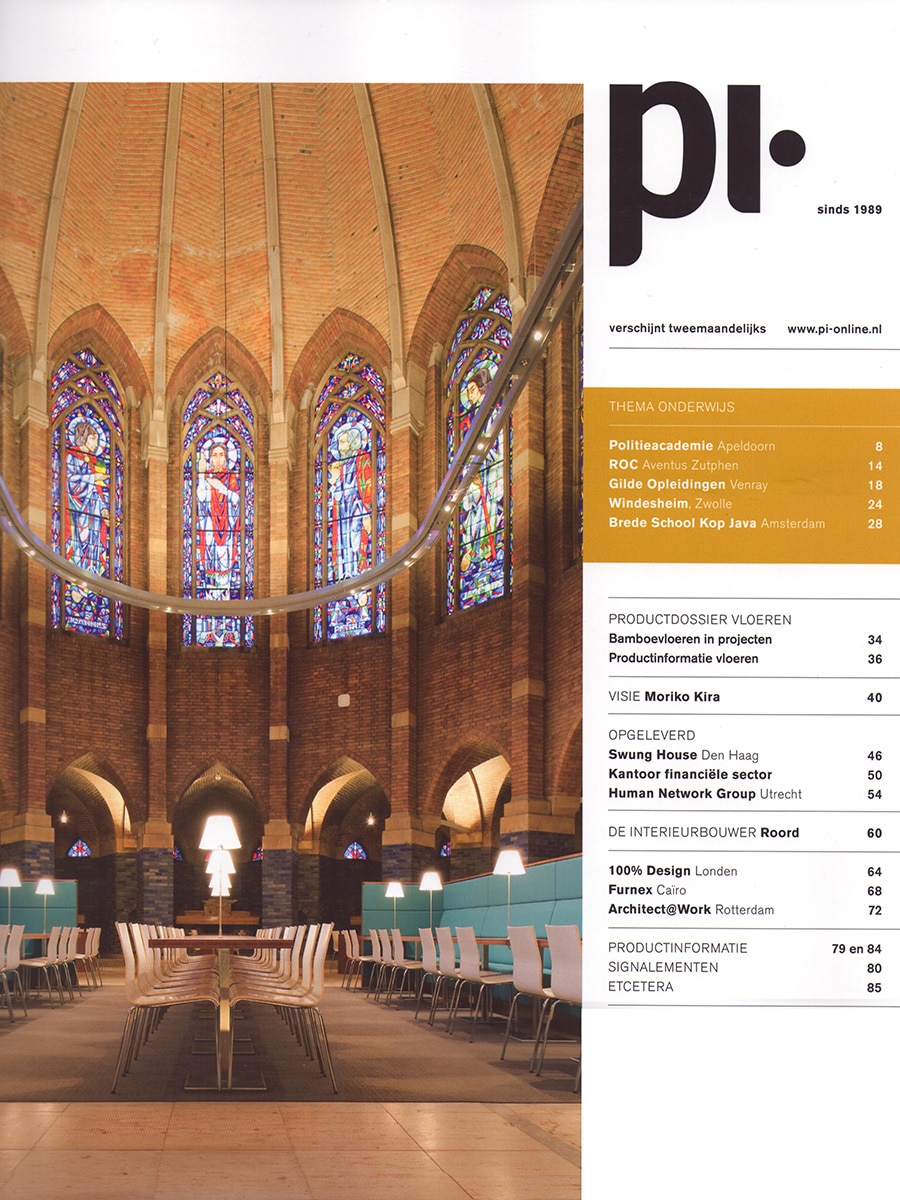
Pi

By Magazine

PI – Lightfacet by Bloomming

Dutch Interior Architecture Magazine Highlights Lightfacet at Architect@Work 2010

Published in PI Magazine, October–November 2010

Dutch interior architecture magazine PI featured Lightfacet, the modular room divider designed by Mireille Meijs for Bloomming, in its coverage of Architect@Work 2010 in Rotterdam.

Presented alongside innovative products and materials for architects and interior professionals, Lightfacet was selected as an example of contemporary design that combines functionality, sustainability and visual impact. The publication emphasised the product’s ability to manipulate light, shadow, reflection and transparency through a simple yet highly adaptable modular system.

Lightfacet

Lightfacet is a modular room divider composed of individually rotatable geometric elements.

By rotating each facet independently, users can control the amount of transparency across the surface, creating constantly changing patterns of light and shadow. This interactive quality allows the divider to respond to different spatial needs while maintaining an open and airy character.

The design functions as both a room divider and an architectural feature, offering privacy without sacrificing daylight or visual connection.

Playing with Light and Transparency

As noted in the article, Lightfacet is designed around the relationship between light, reflection and openness.

The adjustable modules enable users to transform a space through simple rotations, creating subtle shifts in atmosphere throughout the day. Depending on the position of the facets, the divider can appear more open or more enclosed, making it suitable for a wide variety of interior applications.

Sustainable by Design

PI highlighted Lightfacet’s durable construction and environmentally conscious approach.

The system is designed to be long-lasting, easy to install and fully recyclable. The modular elements can be produced in a variety of materials, including injection-moulded PC/ABS, aluminium, nylon and brushed stainless steel, allowing the design to be adapted to different architectural environments and project requirements.

Designed for Architects and Interior Designers

Architect@Work is a trade event dedicated to innovative products for the architecture and interior design industry. By featuring Lightfacet within this context, PI positioned the design as a solution for professionals seeking flexible ways to define space while maintaining openness and natural light.

The featured installation demonstrated how the divider can create visual separation in hospitality and commercial interiors without introducing the heaviness of traditional walls or partitions.

Product Information

Product: Lightfacet
Designer: Mireille Meijs
Brand: Bloomming
Category: Modular Room Divider
Features: Adjustable transparency, light control, modular design
Materials: PC/ABS, aluminium, nylon, brushed stainless steel
Applications: Residential, hospitality, retail and office interiors

Publication Details

Publication: PI Magazine
Country: The Netherlands
Issue: October–November 2010
Section: Architect@Work 2010
Featured Product: Lightfacet
Designer: Mireille Meijs
Brand: Bloomming


Original publication summary

“Featured at Architect@Work 2010, Lightfacet by Bloomming plays with light, shadow, reflection and transparency. The modular room divider allows spaces to be transformed through the simple rotation of individual facets. Available in any size, lightweight, easy to install, durable and fully recyclable, Lightfacet was presented as an innovative architectural solution for contemporary interiors.”

Vormberichten

By Magazine

Long Live Technology!

Published in Vormberichten, September 2008 (BNO – Association of Dutch Designers)

The Dutch design publication Vormberichten featured Clock Delay, a conceptual clock designed by Bas van Leeuwen for Studio Bloomm.

Rediscovering Technology

The article addresses a growing tendency in modern society: we buy products, use them, and throw them away when they break.

As a result, fewer people repair objects themselves and appreciation for technology is gradually disappearing.

Clock Delay was created as a response to this development.

Rather than hiding the mechanism behind a traditional clock face, the design reveals the inner workings of timekeeping and encourages people to engage with the technology behind everyday objects.

Clock Delay

The operation of time is made visible through a mechanical system consisting of three rotating wheels:

  • One wheel for seconds
  • One wheel for minutes
  • One wheel for hours

When the three indicators nearly align, the current time can be read. Because the clock has no traditional hands or display, users must actively observe the mechanism and understand how it functions.

This transforms the clock from a simple utility object into an interactive design piece.

Design Philosophy

Clock Delay reflects Studio Bloomm’s interest in creating products that invite curiosity and encourage interaction.

By exposing rather than concealing technology, the design seeks to restore a sense of wonder for mechanical systems and the objects that surround us.

The clock demonstrates how functionality and storytelling can be combined into a single object.

Original Text (Translated)

‘We buy products, use products, and when they break, we throw them away. We rarely repair anything anymore. As a result, we lose our interest in and appreciation for technology. With Clock Delay, Studio Bloomm aims to bring that feeling back.’

Product Information

Product: Clock Delay
Designer: Bas van Leeuwen
Studio: Studio Bloomm
Materials: Stainless steel and aluminium
Function: Mechanical time display
Year: 2008

Publication Details

Publication: Vormberichten
Publisher: BNO (Association of Dutch Designers)
Issue: September 2008
Featured designer: Bas van Leeuwen
Featured product: Clock Delay
Company: Studio Bloomm

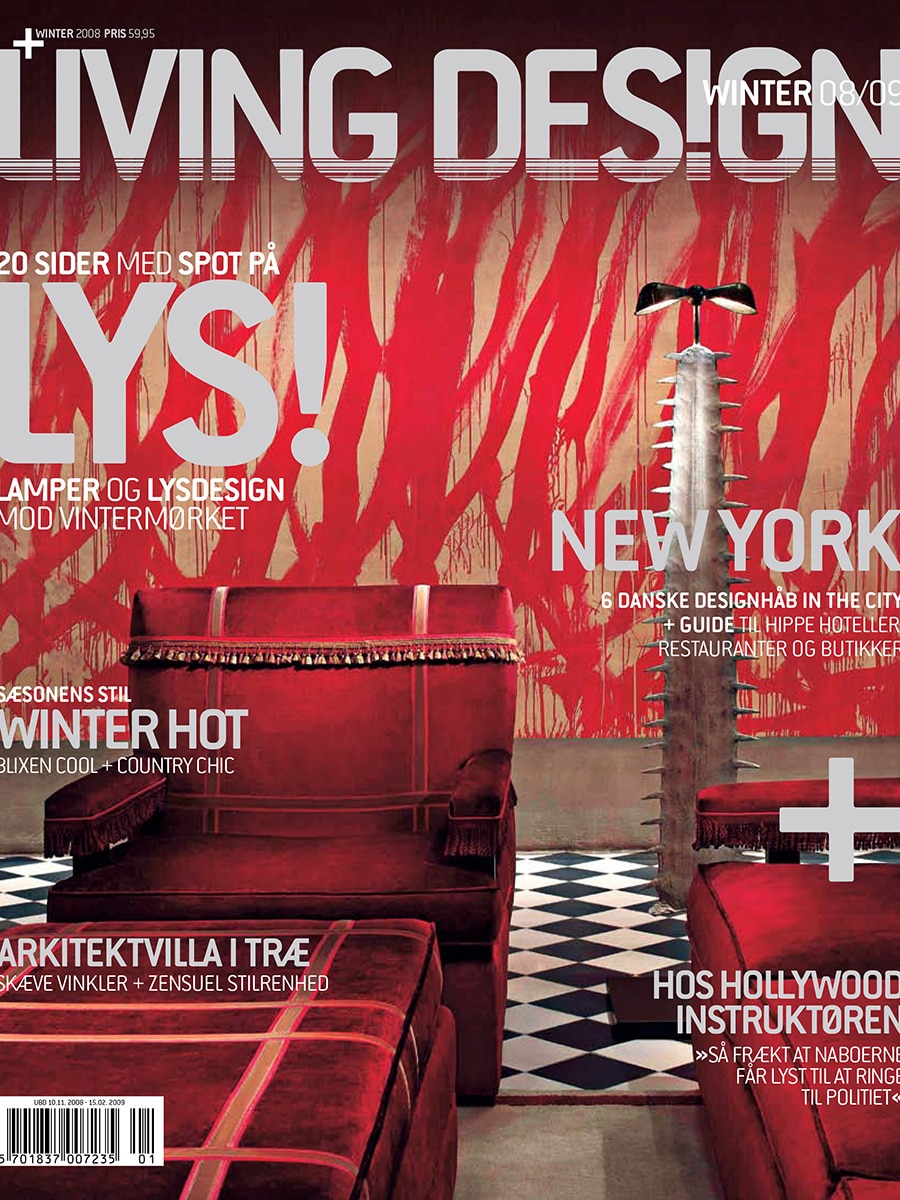
Living Design

By Magazine

Living Design – Clock Delay by Bloomming

Danish Design Magazine Highlights an Unconventional Way of Telling Time

Published in Living Design, Winter 2008/2009

Danish interior and design magazine Living Design featured Clock Delay, the experimental clock designed by Bas van Leeuwen for Dutch design studio Bloomming, in a special editorial exploring innovative contemporary clock designs.

Presented within a curated selection of unusual timepieces, Clock Delay stood out for its exposed mechanics and sculptural interpretation of time.

Clock Delay

Rather than hiding the mechanism behind a clock face, Clock Delay makes the movement itself the centrepiece.

The design consists of three rotating gears representing:

  • Hours
  • Minutes
  • Seconds

As the gears rotate, the current time can be read where the three wheels intersect. Traditional clock hands become unnecessary, allowing the mechanics to become both the function and the visual expression of the object.

Constructed from stainless steel and aluminium, Clock Delay occupies the space between product design, engineering and kinetic sculpture.

Featured in “Clockwise”

The magazine’s editorial, titled “Clockwise”, explored the many ways contemporary designers reinterpret our perception of time.

Clock Delay was selected as one of the most distinctive examples because of its visible mechanical construction and unconventional reading method. While many modern clocks focus on simplification, Clock Delay reveals complexity and celebrates the beauty of movement.

The publication described the clock as consisting of three gears for hours, minutes and seconds that visually indicate time through their interaction.

Design Philosophy

Clock Delay was developed from the idea that modern products often conceal how they work.

By exposing the mechanism, the design encourages curiosity and appreciation for engineering. The clock transforms the normally invisible process of measuring time into something that can be observed and enjoyed.

Reading the time requires a moment of attention, making users more aware of the passage of time itself.

This approach reflects Bloomming’s broader design philosophy: creating objects that invite interaction, provoke thought and reveal their function rather than hiding it.

A Mechanical Sculpture

Beyond its practical purpose, Clock Delay functions as a moving sculpture. The continuously rotating gears create an ever-changing composition of lines, numbers and shadows.

The result is an object that becomes a focal point within an interior while simultaneously performing its role as a clock.

Product Information

Product: Clock Delay
Designer: Bas van Leeuwen
Studio: Bloomming
Materials: Stainless steel and aluminium
Dimensions: Approximately 35 × 35 × 48 cm
Category: Clock / Kinetic Sculpture

International Recognition

The feature in Living Design added to a growing list of international publications that recognised Clock Delay for its originality. The design appeared in magazines throughout Europe, North America and Asia, helping establish Bloomming as a studio known for combining conceptual thinking with strong visual design.

Clock Delay remains one of the most distinctive early projects created by the studio.

Publication Details

Publication: Living Design
Country: Denmark
Issue: Winter 2008/2009
Section: Clockwise
Featured Product: Clock Delay
Designer: Bas van Leeuwen
Studio: Bloomming


Original publication summary

“Delay by Dutch design studio Bloomming is a clock that does away with convention. Consisting of three gears for hours, minutes and seconds, it displays time through the movement and interaction of its rotating wheels.”

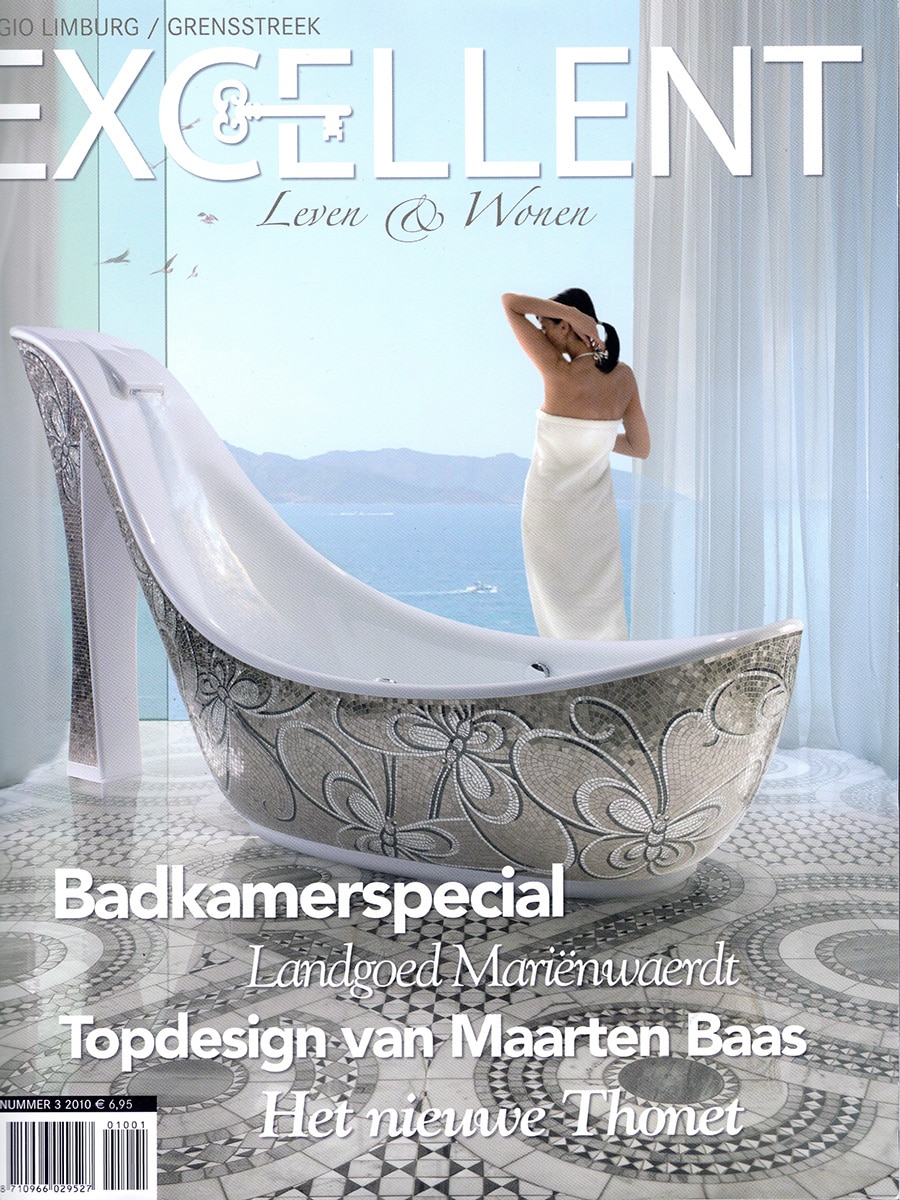
Excellent

By Magazine

Excellent – Reflections by Bloomming

Dutch Lifestyle Magazine Highlights Reflections During Dutch Design Week 2010

Published in Excellent Magazine, 2010

Dutch lifestyle and interior magazine Excellent featured Reflections, the sculptural vase collection designed by Karin van der Zanden for Bloomming, in its coverage of Dutch Design Week 2010.

Presented among emerging talents and established names from the Dutch design scene, Reflections was selected as an example of contemporary design that combines geometric precision with a strong visual presence. The magazine showcased the collection alongside furniture, glass objects and other noteworthy designs exhibited during the event.

Reflections

Reflections is a collection of faceted steel vases inspired by the interplay between geometry, light and reflection.

Each vase is constructed from folded stainless steel surfaces that create a constantly changing appearance. Depending on the viewing angle and surrounding light conditions, the polished facets reflect their environment in unexpected ways, transforming the object throughout the day.

The collection blurs the boundary between functional object and sculptural artwork.

Inspired by Geometry and Light

The design language of Reflections is rooted in geometric forms and architectural surfaces.

Sharp edges and angled planes create a dynamic composition that captures and fragments reflections, allowing the vases to interact with their surroundings. Even without flowers, the objects function as decorative pieces that introduce depth, contrast and visual movement into an interior.

A Distinctive Presence

Featured during Dutch Design Week, Reflections demonstrated Bloomming’s interest in combining industrial production techniques with sculptural aesthetics.

The reflective stainless steel surfaces create a striking contrast between precision and fluidity, making each vase appear slightly different as light conditions change. This quality gives the collection a timeless character that complements both contemporary and classic interiors.

Dutch Design Week 2010

The feature appeared within Excellent’s preview of Dutch Design Week, the Netherlands’ largest design event. The magazine highlighted the growing importance of the event as a platform where young designers, established studios and innovative brands present new ideas and products to an international audience.

Among the selected works, Reflections stood out for its minimalist form language and strong material expression.

Product Information

Product: Reflections
Designer: Karin van der Zanden
Brand: Bloomming
Category: Vase Collection
Material: Stainless Steel
Finish: Mirror-polished reflective surface
Characteristics: Geometric, sculptural, reflective

Publication Details

Publication: Excellent – Leven & Wonen
Country: The Netherlands
Year: 2010
Section: Dutch Design Week 2010
Featured Product: Reflections
Designer: Karin van der Zanden
Brand: Bloomming


Original publication summary

“During Dutch Design Week 2010, Excellent highlighted Reflections by Bloomming, a collection of faceted stainless steel vases designed by Karin van der Zanden. The geometric forms and reflective surfaces transform the surrounding environment into part of the design, creating sculptural objects that change with light and perspective.”

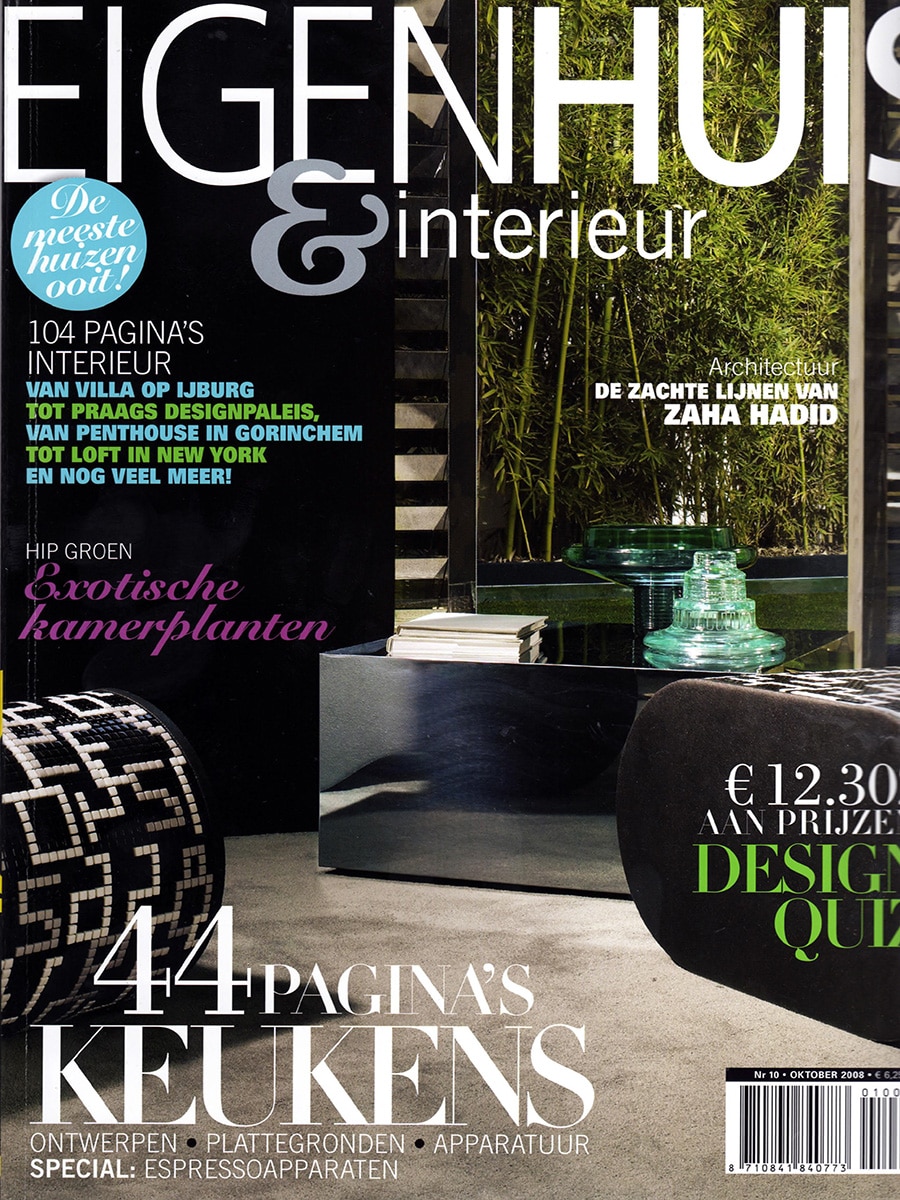
Eigen Huis & Interieur

By Magazine

Libra & Interior

Published in EH&I, October 2008

In its Libra & Interior feature, EH&I magazine explored the characteristics of a Libra-inspired interior. According to the publication, such interiors are built around a minimalist foundation, complemented by a selection of carefully chosen statement pieces and antiques.

Among the featured design objects was Clock Delay, a sculptural clock by Studio Bloomm, designed by Bas van Leeuwen.

Bringing Technology Back into Focus

The article highlighted a growing disconnect between people and the products they use every day.

As modern products become increasingly disposable, fewer people repair broken objects or understand how they function. According to the magazine, this trend has led to a gradual loss of appreciation for technology and craftsmanship.

Clock Delay was presented as a response to this phenomenon.

Rather than concealing its mechanism behind a traditional clock face, the design places the mechanics at the centre of attention. By exposing the components responsible for measuring time, the clock encourages people to rediscover the beauty of engineering and mechanical systems.

Clock Delay

Clock Delay transforms the process of telling time into a visual experience.

The design celebrates movement, precision and construction by making the mechanism itself visible. Instead of focusing solely on functionality, the clock invites users to observe and appreciate the technology that drives it.

This approach reflects one of the recurring themes within Bloomming’s early work: creating products that encourage people to engage more consciously with the objects that surround them.

Product Information

Product: Clock Delay
Designer: Bas van Leeuwen
Studio: Studio Bloomm
Dimensions: 35 × 35 × 48 cm
Retail price at publication: €1,280

Publication Details

Publication: EH&I
Issue: October 2008
Section: Libra & Interior
Featured designer: Bas van Leeuwen
Company: Studio Bloomm
Featured product: Clock Delay
Topics: Product design, clocks, technology, craftsmanship, Dutch design

Interieur

By Magazine

Interieur Magazine

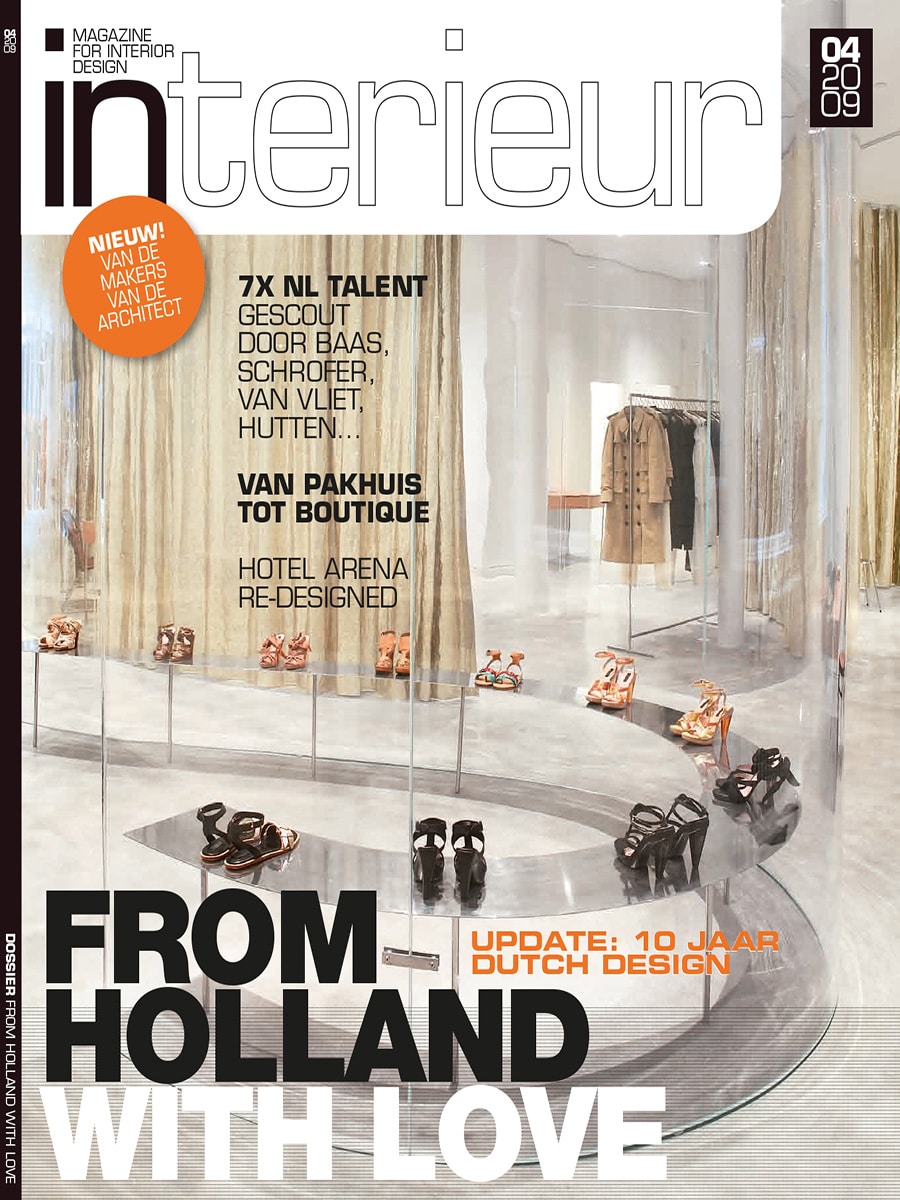
100% Design Rotterdam – Dutch Design Highlights

Published in April 2009, Dutch interior design magazine Interieur dedicated part of its coverage to 100% Design Rotterdam, one of the Netherlands’ leading design events. The feature, titled “Hollandse Nieuwe” (“Dutch Newcomers”), showcased a selection of innovative Dutch products and designers that reflected the growing international influence of contemporary Dutch design.

Spotlight on Dutch Innovation

The article highlighted a wide variety of emerging products ranging from furniture and lighting to acoustic solutions and interior accessories. The common thread throughout the feature was a focus on flexibility, sustainability, and intelligent use of materials—qualities that had become hallmarks of Dutch design.

According to the editors, these designs demonstrated the growing importance of adaptable products that respond to changing lifestyles and multifunctional living environments.

Lightfacet by Bloomming

Among the selected designs was Lightfacet, the modular room divider developed by Mireille Meijs for Bloomming.

Under the heading “Spelen met licht en schaduw” (“Playing with Light and Shadow”), the magazine described Lightfacet as:

“Van Bloomming uit Eindhoven is Light Facet, een modulair opgebouwde room divider die ook kan worden toegepast als zonwering.”

Translated:

“From Bloomming in Eindhoven comes Light Facet, a modular room divider that can also be used as sun screening.”

Creating Patterns Through Movement

The article explains that Lightfacet consists of interconnected synthetic modules that can be individually opened and closed. By adjusting the elements, users can create a wide variety of patterns while controlling transparency, light, and privacy.

Rather than functioning as a fixed partition, Lightfacet acts as a dynamic architectural element. The rotating modules allow users to alter the appearance of the divider and influence how light travels through a space.

The publication notes that the system combines stainless steel components with injection-moulded plastic elements and can be configured in virtually any desired size through a simple click-system.

A New Approach to Space Division

Interieur presented Lightfacet as an example of how room dividers were evolving from purely functional objects into design features in their own right. The product was praised for its ability to create atmosphere through the interplay of light and shadow while maintaining openness within an interior.

This approach aligned perfectly with broader design trends visible at 100% Design Rotterdam, where adaptable and multifunctional solutions were increasingly replacing static furniture and architectural elements.

Publication details

Publication: Interieur Magazine
Country: Netherlands
Issue: 04 / 2009
Date: April 2009
Feature: Hollandse Nieuwe (100% Design Rotterdam)
Section: Inbox / Review
Headline: Spelen met licht en schaduw
Product featured: Lightfacet
Designer: Mireille Meijs
Company: Bloomming
Event: 100% Design Rotterdam

Why this feature mattered

Interieur was one of the Netherlands’ leading professional interior design magazines, read by interior architects, designers, and industry professionals. Inclusion in the magazine’s coverage of 100% Design Rotterdam placed Lightfacet among a carefully selected group of noteworthy Dutch design innovations.

The feature recognised Lightfacet not only as a room divider, but as a design object capable of transforming interiors through movement, transparency, and the creative manipulation of light. Its inclusion reflected the growing international interest in flexible spatial solutions and helped position Bloomming as one of the emerging voices within contemporary Dutch design.